

Braces for a Healthier Bite
Braces are a well-established orthodontic treatment used to straighten teeth and address a variety of bite and alignment issues.
Braces are made up of three main components: brackets, a flexible archwire and, in some cases, elastic bands.
The brackets are attached to the teeth and hold the archwire in place. The archwire applies gentle pressure to gradually guide the teeth toward their planned positions, while elastic bands may be used to support movement in specific directions.
Braces can be used to address a range of orthodontic concerns for children, teens and adults of all ages depending on their individual treatment needs.
Several types of braces are available, including traditional metal, clear ceramic, self-ligating and coloured options, giving patients different choices when considering the appearance and design of their braces.

Flexible Payment Plans
At Viva Orthodontics, we believe cost shouldn’t stand in the way of orthodontic care. We offer 0% financing and flexible payment options to help make treatment more manageable.
Types of Braces at Viva Orthodontics
Your orthodontist can discuss the different types of braces available and recommend an option based on your orthodontic needs, preferences and treatment plan.
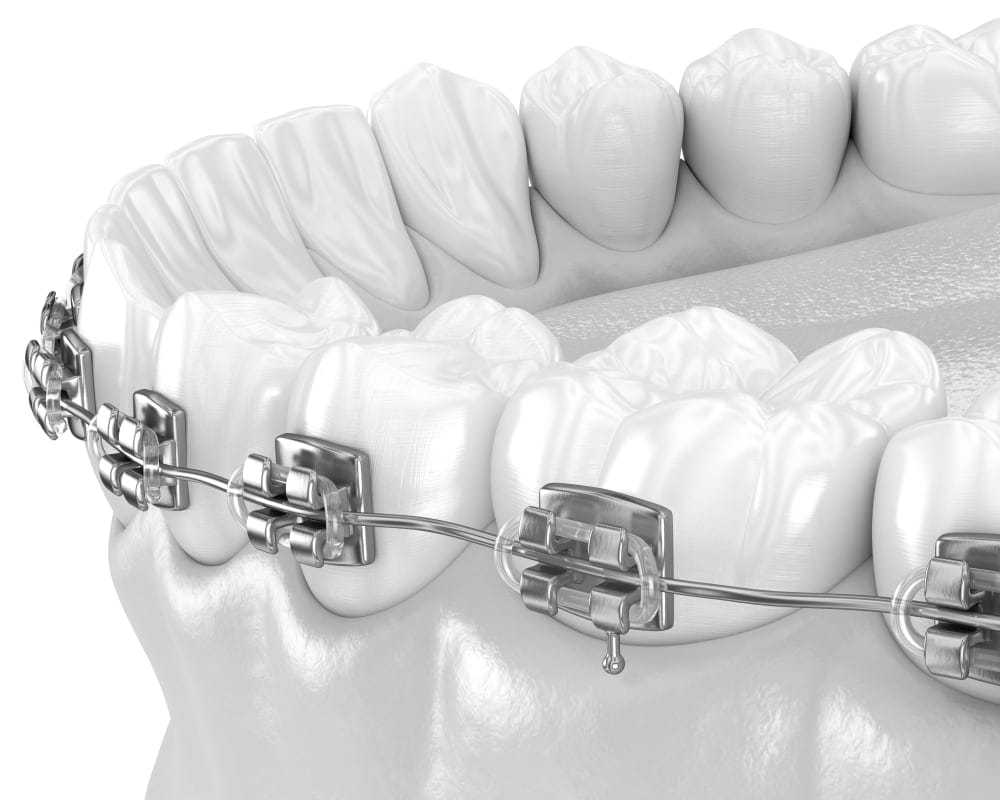
Traditional Metal Braces
Traditional braces use metal brackets attached to the teeth with an archwire running through them to guide tooth movement. Small elastic ties or wires hold the archwire in place.
For patients who want to personalize their braces, elastic ties are available in a variety of colours and can be changed during adjustment appointments.
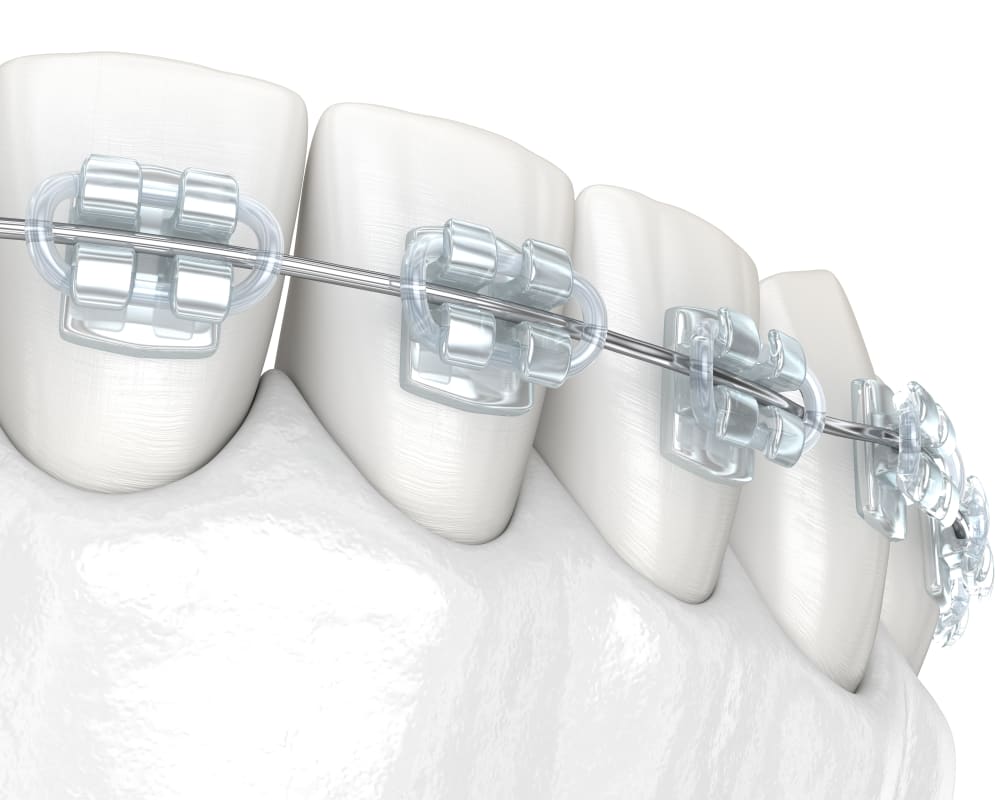
Translucent Braces
Translucent braces work similarly to traditional braces but use tooth-coloured ceramic brackets that blend more closely with the natural colour of your teeth.
Because ceramic brackets have different properties than metal brackets, they may not be suitable for every orthodontic need. Your orthodontist can determine whether they are an option for you.
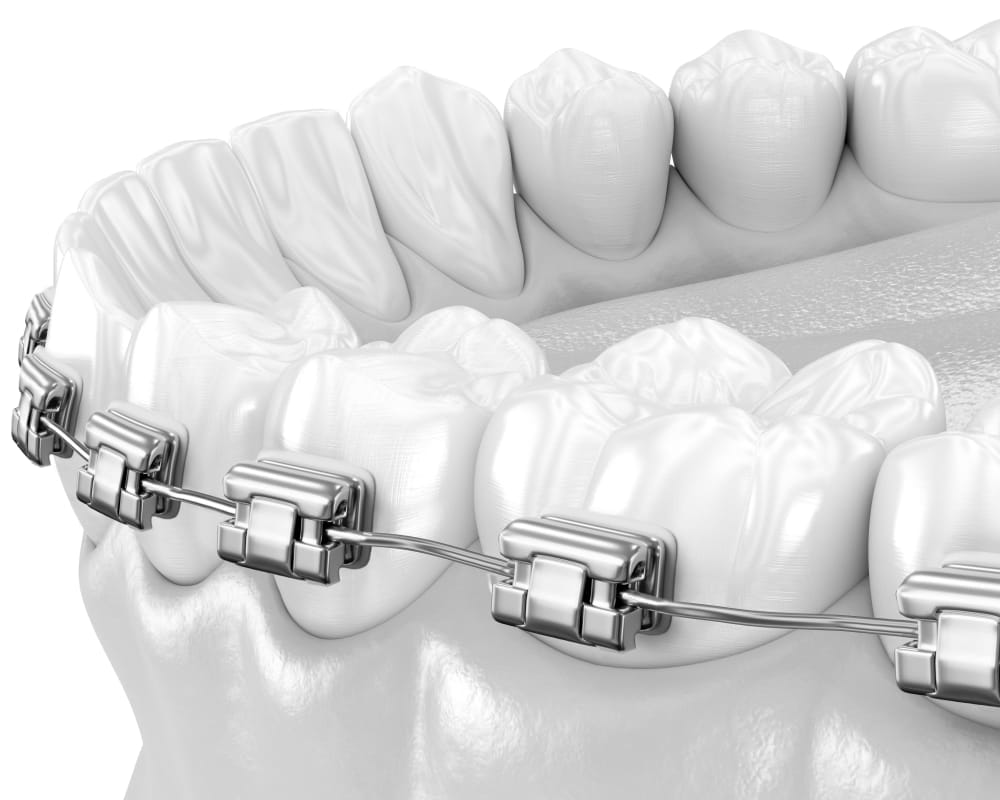
Self-Ligating Braces
Self-ligating braces use a mechanism built into each bracket to hold the archwire in place rather than elastic ties or wires.
They are available with different bracket materials and may be recommended depending on your individual orthodontic needs and treatment plan.
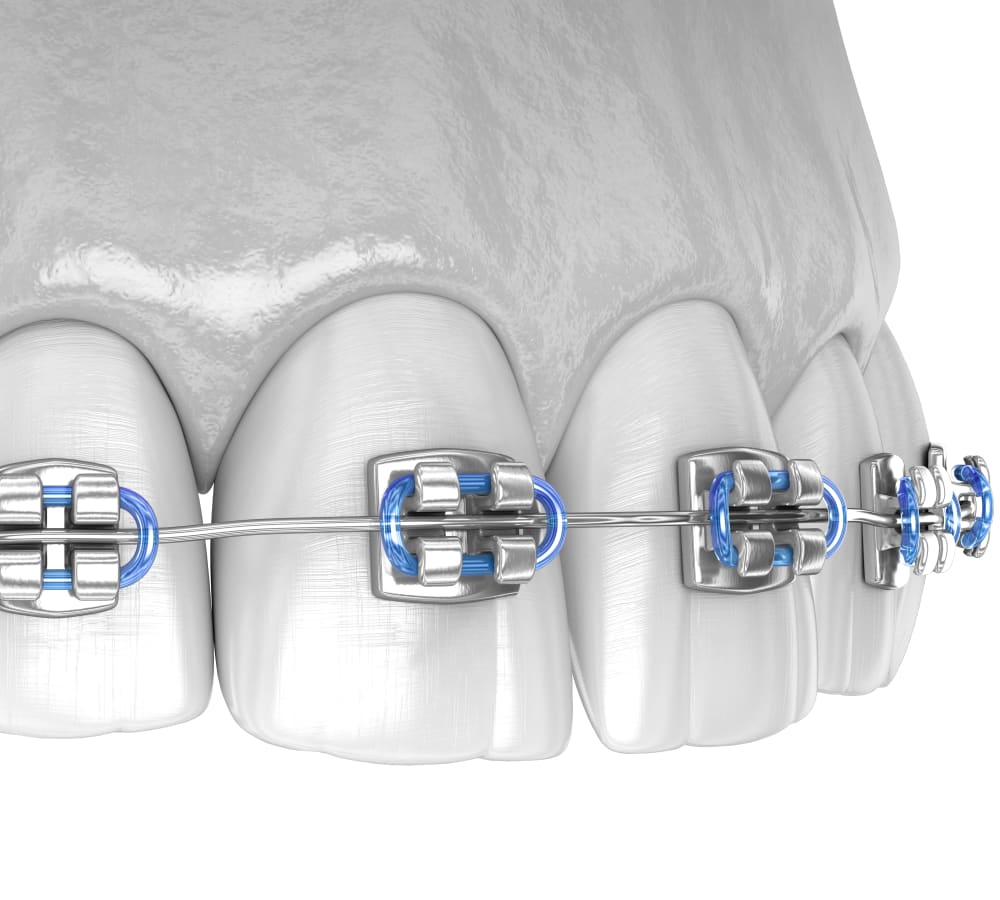
Coloured Braces
Traditional metal braces can be customized with coloured elastic ties. These small elastics hold the archwire in place and are typically changed during adjustment appointments.
Choose a favourite colour, coordinate with a holiday or sports team, or try something different at each visit.
Living with Braces
Getting braces means making a few adjustments to your daily routine. Knowing how to care for your braces and teeth can help you feel prepared throughout treatment.
Adjustments
You'll visit your orthodontist periodically to have your braces checked and adjusted as your teeth move. Some temporary pressure or discomfort may occur following these appointments.
Elastics
Some treatment plans include elastics to help guide tooth or jaw movement. If you're prescribed elastics, your orthodontist will explain how and when to wear and replace them.
Always follow your orthodontist's instructions regarding your elastics. Contact our office if you find that your elastics break frequently, or if the hook for your elastics breaks off.
Hygiene
Good oral hygiene is more important than ever when you have braces. Braces create all sorts of small spaces and crevices where plaque can build up, leading to tooth discolouration, tooth decay, and gum disease.
To keep your teeth and gums healthy during your braces treatment, be sure to brush after each meal using a soft toothbrush and fluoride toothpaste. A Proxabrush® is a specially shaped toothbrush designed to clean out the spaces between braces. You can also use a Waterpik™ or air flosser to help flush out stubborn food particles.
You should also floss frequently. This is easier than you might expect. You can just feed the floss down through the space between the arch wire and your teeth. Pull the end gently towards the back of the tooth and draw the floss up and down between the teeth.
Eating
Undergoing orthodontic treatment with braces will require some limitations and minor changes to your diet.
Foods that you'll need to avoid include chewy or sticky foods (like caramel or licorice), hard or crunchy foods (hard candies, nuts, or whole raw vegetables), and foods you have to bite into (like corn on the cob or apples). You'll also need to avoid sugary drinks.
Cutting food into small pieces and chewing slowly and carefully will allow you to enjoy more variety during your treatment, but always defer to your orthodontist's recommendations.
Mouth Guards
If you're an athlete, there's no reason for braces to stop you from playing the sports you love. But if you want to continue getting out on the field, court, or rink during your treatment, we recommend wearing a sports mouth guard to protect your teeth, your mouth, and the braces themselves from damage.
Retainers
After your active orthodontic treatment with braces (or Invisalign) is complete, you'll need to wear a retainer to keep your teeth in their new, straightened positions while the jaw bone around their roots reforms and hardens.
You'll probably start out wearing your retainer 24 hours a day, every day, during the first eight weeks or so after braces - only taking it out for eating and brushing your teeth, as instructed by your orthodontist.
Once your teeth have settled into their new positions, with approval from your orthodontist, you may begin wearing it at night only.
Questions About Braces? We've Got Answers.
If you're considering orthodontic treatment with braces, you likely have some questions. Get started by reading our braces FAQs to learn more about how they work, and their benefits.
-
How much do orthodontic braces cost?
The cost of your orthodontic treatment can vary based on the nature and severity of your orthodontic issue. It can also change depending on the type of braces being used. Your orthodontist will provide you with an estimate for the cost of your treatment at the outset.
If you already have an estimate from your orthodontist, you can use our cost calculator to determine your approximate monthly payments.
-
Who is a candidate for braces?
Most children, teens and adults who have healthy teeth and gums are generally considered good candidates for braces. That said, people with significant gum recession or oral health conditions may not be candidates.
Braces come in a variety of styles and can address a wide range of moderate to complex orthodontic issues, so there are very few limits to who can benefit from braces.
-
What are my options for low-profile braces?
We offer self-ligating braces and translucent braces at Viva Orthodontics.
Self-ligating braces don't require elastics or ties like traditional braces, giving them a neater, more streamlined look. Translucent braces have ceramic brackets that match the colour of your teeth, allowing them to blend in with your smile. You can learn more about both these types of braces on this page under 'Types of Braces'.
Invisalign clear aligners are also an option for low-profile orthodontic treatment.
-
How long will I need to wear braces?
The average treatment time for braces is 12 to 24 months, but this can vary significantly from patient to patient. The duration of your orthodontic treatment depends primarily on the type and severity of your misalignment. As you might expect, mild or moderate cases are quicker to treat than more complex ones.
-
How long until I get used to my braces?
It can take a week or two to get used to your braces after they're first placed. You may find yourself touching them with your tongue as you adjust to how the brackets and wires feel.
Some areas of your mouth may also become irritated where they rub against your braces. Orthodontic wax can be applied to these areas to create a smoother surface and reduce friction while your mouth adjusts. This discomfort is usually temporary and should become less noticeable as you get used to wearing your braces.
-
Can I change the colour of my braces?
If you have metal braces with rubber bands, you can update the colour of the bands when you come in for an adjustment appointment. Orthodontic elastics can come in a rainbow of different colours for you to choose from. Having the option to personalize your braces in this way can make the orthodontic treatment process a little more fun!
We also often use e-chain to close the spaces between teeth, and these come in lots of colours as well.
You can change your braces colour based on the season, upcoming holidays, or your personal style.
-
Do braces hurt?
You may experience some discomfort at different points during your orthodontic treatment with braces. Any discomfort is typically temporary and may last anywhere from a few hours to several days.
Discomfort is most common during the first week after getting braces and following adjustment appointments as your teeth begin to move. Patients often describe the feeling as pressure or a dull ache, which can usually be managed with over-the-counter pain medication.
You may also experience irritation where the brackets rub against the inside of your mouth, particularly when your braces are first placed or after adjustments. Orthodontic wax can be applied to these areas to create a smoother surface and reduce friction while your mouth adjusts.
-
Can adults get braces?
Yes, adults can get braces! More and more adults these days are opting to undergo orthodontic treatment that they missed out on when they were younger, to improve their oral health and the appearance of their smiles.
Many of our adult patients prefer the lower profile, more streamlined look of translucent ceramic braces, self-ligating braces, or Invisalign. All these options allow you to straighten your teeth without the more pronounced appearance of traditional braces.
-
Can kids get braces?
Yes, children as young as seven years old may be candidates for braces in some cases. Certain developing misalignments and bite problems can be more easily treated when children are young, when we can work with and guide their oral development, rather than undoing issues that are already established later on.
With all that being said, we take a very conservative approach to braces for children, and only prescribe them when there's a serious risk of future orthodontic problems.
-
Do I have to brush more with braces?
Yes, it's a good idea to brush your teeth after each meal throughout your braces treatment.
Oral hygiene is especially important while wearing braces. Brackets and wires create additional small spaces where food particles and plaque can collect, making it more difficult to keep your teeth clean.
Paying close attention to your brushing and flossing routine can help reduce the risk of cavities, tooth discolouration and bad breath during treatment.
-
How do I floss with braces?
Flossing with braces may seem complicated, but it's fairly straightforward once you get the hang of it!
To floss your teeth with braces, feed the floss down through the space between the arch wire and your teeth. We supply floss threaders for our patients to make this easier. Pull the end of the floss gently towards the back of the tooth and draw the floss up and down between the teeth. Then repeat this process between each pair of teeth.
-
What can I eat while I'm wearing braces?
Eating with braces requires some extra care, but you should still be able to eat many of the foods you love.
You'll need to avoid hard, crunchy, or overly sticky/tacky foods. In general, it's important to chew carefully while wearing braces and take your time. Avoid biting into foods like apples or corn on the cob (cut your apple into bite-sized pieces and shell your corn instead!) and avoid chewing gum completely.
For the most part though, you can go on eating your normal diet – with a few modifications along the way.
-
Can I still play contact sports if I wear braces?
We generally recommend avoiding any sports that could involve regular direct blows to the face while wearing braces. Even with a mouth guard, sports like boxing are not advisable.
Other contact sports, like football or rugby, may be possible if you wear a mouth guard, but we advise extreme caution in these cases as well.
For most sports, though, you should be able to keep playing with no problem. If you want to continue getting out on the field, court or rink during your treatment, we recommend wearing a sports mouth guard to protect your teeth, your mouth, and the braces themselves from damage.
-
Braces vs. Invisalign: How do I choose which is best for me?
Braces and Invisalign are both effective orthodontic treatment options, but there are differences between them that may affect their suitability for different individuals.
Factors to consider when choosing between braces and Invisalign include your personal preferences and lifestyle, aesthetics, the nature and severity of your misalignment, and cost. You can learn more here.
Your orthodontist will assess your specific case and recommend the best treatment option for your needs.